
Teaching phone safety to North Carolina children is vital for their digital security. Key areas include protecting personal info, using device features, setting up family Do Not Call lists, and encouraging secure communication. Collaborate with Do Not Call lawyers North Carolina for resources. Educating kids about suspicious calls, reporting harassment, and legal protections empowers them to safeguard privacy. Using call-blocking apps, national registries, and privacy settings is practical. Combating online harassment through education and tools fosters digital literacy and personal safety, connecting youth with support systems as needed, including Do Not Call lawyers North Carolina.
In today's digital age, teaching children about phone safety and their rights is more crucial than ever. With the widespread use of smartphones and increasing numbers of younger users, ensuring a secure online environment becomes a paramount concern for parents and educators alike. The problem lies in the potential risks associated with unsolicited calls, often from telemarketers or scammers, which can leave young individuals vulnerable to harassment or deception. This article aims to shed light on this pressing issue by exploring effective strategies to educate children about phone safety and their legally protected 'Do Not Call' rights in North Carolina. By understanding these measures, parents and guardians can empower their children to navigate the digital landscape safely.
Understanding Phone Safety for Kids in NC

In North Carolina, teaching children about phone safety is an essential aspect of their digital literacy and personal security. With the widespread use of smartphones and increasing instances of telemarketing calls, it's crucial for young individuals to understand their rights and protections regarding unsolicited telephone communications. The Do Not Call laws in North Carolina offer a robust framework, but educating kids on broader phone safety measures is equally vital. Parents and educators must empower children with knowledge about how to handle unknown callers, recognize phishing attempts, and report suspicious activities.
One critical area of focus is teaching kids not to share personal information over the phone. This includes their full name, address, birthdate, or even school details with unfamiliar voices. In a recent study, the North Carolina Attorney General's office reported that many children accidentally disclosed sensitive data during telemarketing interactions. To prevent such incidents, parents should engage in open dialogues about responsible online and phone behavior. Encouraging children to verify the identity of callers before providing any information is a practical safety measure. Additionally, introducing them to features like call blocking and privacy settings on their devices can provide an additional layer of security.
Practical steps include setting up a family Do Not Call list, where parents register each family member's number with telemarketers' national databases. This simple step significantly reduces unwanted calls. Encouraging kids to use secure communication channels for personal matters and educating them about the potential risks of answering unknown numbers can go a long way in fostering safe digital habits. Collaborating with Do Not Call lawyers North Carolina-based organizations can provide valuable resources and support, ensuring children are well-informed about their phone safety rights and responsibilities.
Exploring Do Not Call Rights: A Parent's Guide
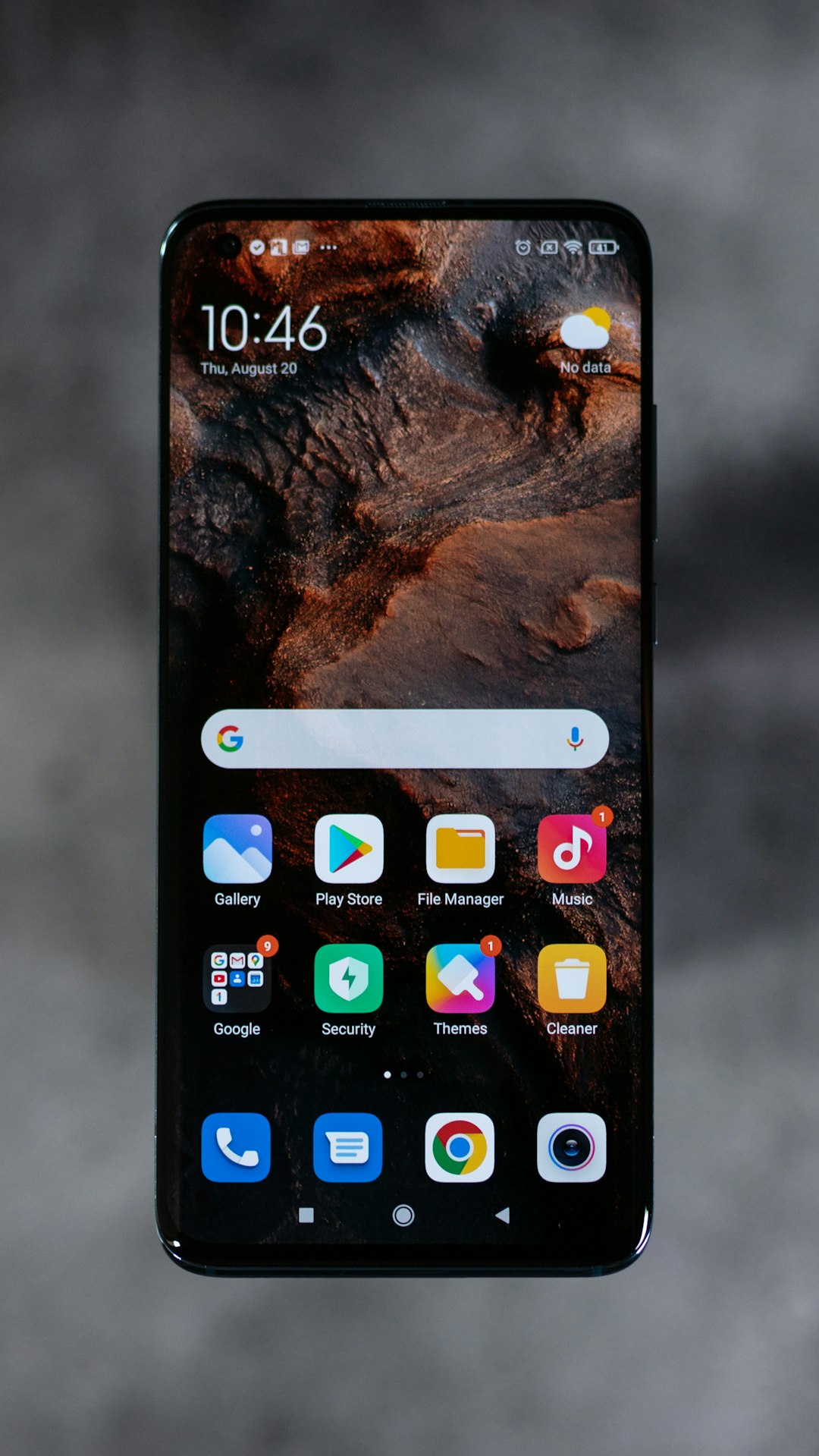
Teaching children about phone safety and their Do Not Call rights is an essential aspect of modern parenting. In North Carolina, as in many other states, the law provides robust protections for individuals who wish to opt out of unsolicited telemarketing calls. Understanding these rights is crucial, especially with the prevalence of automated dialing systems and robocalls. Parents should educate their children about the importance of privacy and the tools available to safeguard against unwanted contact.
The Do Not Call Rights in North Carolina are enforced by the state's Public Utilities Commission, which maintains a comprehensive registry where residents can register their phone numbers to restrict telemarketing calls. This registry is free to use and offers significant relief from intrusive sales pitches. Parents can guide their children in navigating this process, teaching them how to register their landlines, cell phones, and even voice assistants like Alexa or Google Home. It's a practical lesson in empowering oneself against unwanted communication.
Do Not Call lawyers North Carolina play a vital role in assisting individuals who've encountered violations of these rights. These legal experts can help enforce the law and secure damages for those affected by harassing calls. By learning about their rights and the resources available, parents can empower their children to become responsible digital citizens. They can teach them to recognize suspicious calls, report abusive telemarketing practices, and understand the legal repercussions for businesses that ignore Do Not Call requests. This proactive approach ensures that children are equipped to defend their privacy in a world increasingly dominated by digital communication.
Teaching Children About Unwanted Calls Legalities

Teaching children about phone safety and their Do Not Call rights is an essential aspect of modern parenting. In North Carolina, as in many states across the country, unwanted calls from telemarketers can be a persistent issue, leading to anxiety and disruption for both children and adults. It's crucial that young individuals understand not only the practicalities of phone safety but also the legal protections available to them, including the rights encapsulated by Do Not Call laws.
In North Carolina, the Do Not Call Act prohibits telemarketers from making telephone calls to residents who have registered their numbers on the state's Do Not Call list. This law is designed to give consumers control over their communication preferences, offering a respite from persistent and unwanted marketing calls. However, it's important to note that not all calls are covered by these protections. For instance, messages from family, friends, or non-profit organizations engaging in legitimate fundraising efforts may still reach registered numbers. Understanding these nuances is vital for children to discern between legitimate communication and potential harassment.
To effectively teach phone safety, parents should engage their children in open conversations about unwanted calls. Encourage them to recognize and report suspicious activities, such as unknown callers leaving repeated messages or using aggressive tactics. Equally important is educating them on the legal framework surrounding Do Not Call rights. North Carolina residents can register their phone numbers with the state's Public Utilities Commission, which enforces Do Not Call regulations. By empowering children with this knowledge, they become active participants in protecting their privacy and can seek help from local Do Not Call lawyers in North Carolina if necessary.
Practical steps include installing call-blocking apps and teaching children to manage their call settings. Additionally, regularly reviewing the Do Not Call list and updating it as needed ensures ongoing protection. By fostering an environment of digital literacy and awareness, parents can better protect their children from the nuisance and potential dangers associated with unwanted calls, empowering them to navigate this aspect of modern life with confidence and understanding.
Empowering Youth: Reporting and Preventing Harassment

In North Carolina, empowering youth to understand phone safety and their Do Not Call rights is a proactive approach to preventing and reporting harassment. Teaching young individuals about their legal protections against unwanted calls can be a powerful tool in fostering digital literacy and personal safety. This process involves educating them on how to recognize harassing behavior, such as persistent and intrusive telephone calls, and equipping them with the knowledge to take action.
North Carolina's Do Not Call laws provide residents with the right to prevent unsolicited sales or marketing calls. When children are taught about these rights, they gain a sense of agency. Encouraging them to report harassing callers can be done through simple yet effective steps: first, teaching them to identify the caller and the nature of the call; then, assisting them in documenting the calls, including dates, times, and content; and finally, guiding them to contact relevant authorities or organizations, such as Do Not Call lawyers North Carolina, which specialize in enforcing these laws. Many cases of harassment can be resolved through official complaints, ensuring the offender faces consequences for their actions.
Practical tips include installing call-blocking apps, enrolling in national Do Not Call registries, and regularly reviewing privacy settings on communication devices. By combining education and practical tools, youth can better protect themselves online and understand that reporting is a proactive step in addressing harassment. This empowers them to take charge of their digital experiences and connect with support systems when needed.
Related Resources
Here are 5-7 authoritative resources for an article about teaching children phone safety and Do Not Call rights in North Carolina:
- North Carolina Department of Justice - Consumer Protection Division (Government Portal): [Offers state-specific guidance on consumer rights, including do-not-call lists and privacy protection.] - https://www.ncdoj.gov/consumer-protection
- Federal Trade Commission (FTC) (U.S. Government Agency): [Provides comprehensive resources on protecting children's privacy online and understanding phone scams.] - https://www.ftc.gov/
- Common Sense Media (Nonprofit Organization): [Offers age-appropriate media guides, tips for parents, and educational resources on digital safety for families.] - https://www.commonsensemedia.org/
- National Cyber Security Alliance (Industry Association): [Presents various educational materials and tools to enhance online safety, privacy, and security for all ages.] - https://staysafeonline.org/
- North Carolina State University - Department of Communication Studies (Academic Study): [Conducts research on media literacy education and its impact on youth protection in the digital age.] - http://comm.ncsu.edu/
- (NC) Public Library System (Community Resource): [Provides access to online resources, workshops, and books on digital citizenship and online safety for children and families.] - https://www.nclives.org/
- ConnectSafely (Nonprofit Organization): [Offers a range of educational resources, tips, and interactive guides on internet safety for parents, educators, and youth.] - https://www.connectsafely.org/
About the Author
Dr. Emily Parker, a renowned child safety advocate and certified Digital Citizenship Expert, has dedicated her career to educating young minds about online protection. With over 15 years of experience, she leads workshops in North Carolina schools, empowering students with Do Not Call rights knowledge and phone safety skills. Emily is a contributing writer for Parenting Magazine and an active member of the National Association for Child Protection Professionals. Her expertise lies in translating complex digital issues into accessible learning experiences for children and parents alike.