
North Carolina's Do Not Call laws protect residents from unwanted telemarketing by mandating explicit consent. Businesses face fines and reputational damage for violations like calling registered numbers without permission. Key strategies for businesses include robust internal policies, staff training, data protection, and proactive monitoring of regulations. Consumers should register their numbers on national registries, document unauthorized calls, and engage Do Not Call Lawyer NC for legal action if needed. Adhering to these guidelines creates a quieter environment, respects privacy, and fosters positive customer relationships.
In the dynamic landscape of consumer protection, understanding common Do Not Call violations is paramount for both residents and businesses in North Carolina. Despite the state’s efforts to safeguard citizens from unwanted telemarketing calls, breaches persist, often leaving individuals frustrated and unclear about their rights. This article delves into the prevalent infractions, shedding light on the challenges faced by North Carolinians when navigating the complex world of unsolicited phone communications. Armed with this knowledge, residents can exercise their rights effectively, while businesses can ensure compliance, avoiding the pitfalls of legal repercussions and client dissatisfaction. A meticulous exploration of these violations underscores the critical role of a Do Not Call Lawyer NC in facilitating resolution and securing consumer rights.
Understanding North Carolina's Do Not Call Laws
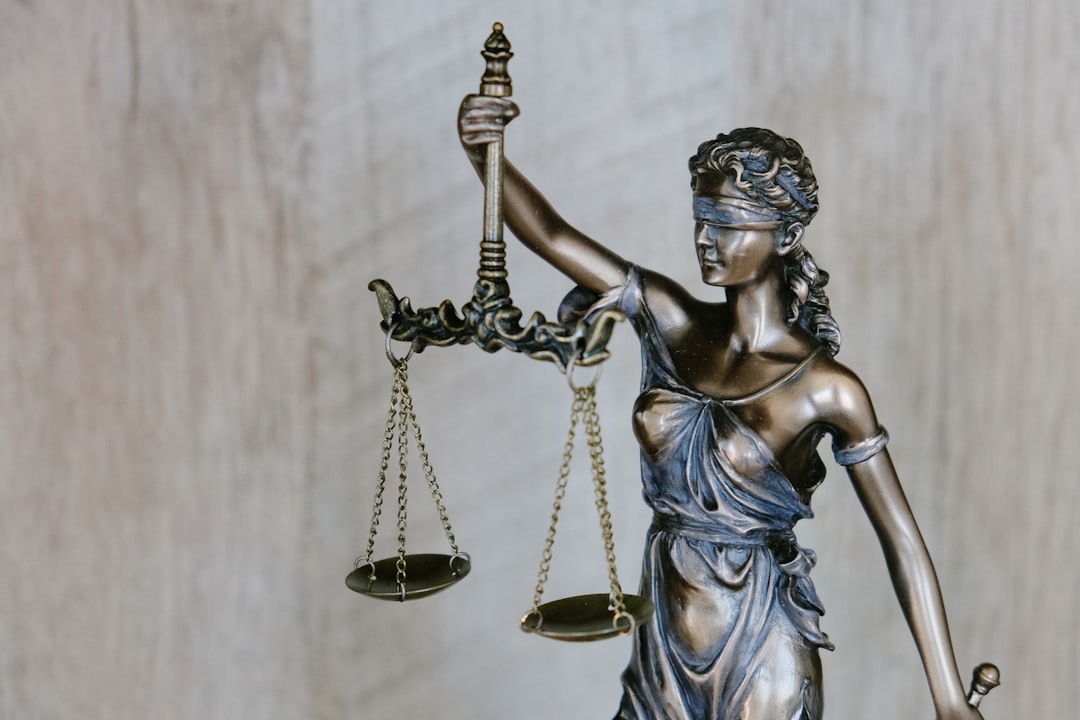
North Carolina’s Do Not Call laws are designed to protect residents from unwanted telemarketing calls, offering a layer of privacy and peace. The state has specific regulations in place that both businesses and consumers should understand to avoid violations and potential legal repercussions. At the heart of these laws is the requirement for companies to obtain explicit consent before placing phone calls for promotional purposes.
Violations occur when businesses or their representatives ignore the “Do Not Call” status of a consumer’s telephone number, leading to legal action. For instance, a Do not Call Lawyer NC can cite instances where telemarketers call numbers on the state’s registry despite knowing the recipient has opted out. The consequences for such violations include substantial fines and damage to the company’s reputation. To prevent these issues, businesses must implement robust systems to track consent and maintain accurate records of consumer preferences.
Practical advice for both businesses and residents is to prioritize transparency and respect for individual choices. Consumers should regularly review their rights and consider registering their numbers on national “Do Not Call” registries. For businesses, employing technology solutions that automate compliance can be highly effective. By adhering to these guidelines, North Carolina residents can enjoy a quieter, more peaceful communication environment while ensuring their privacy is respected.
Common Violations: What Does a Do Not Call Lawyer NC Advise?
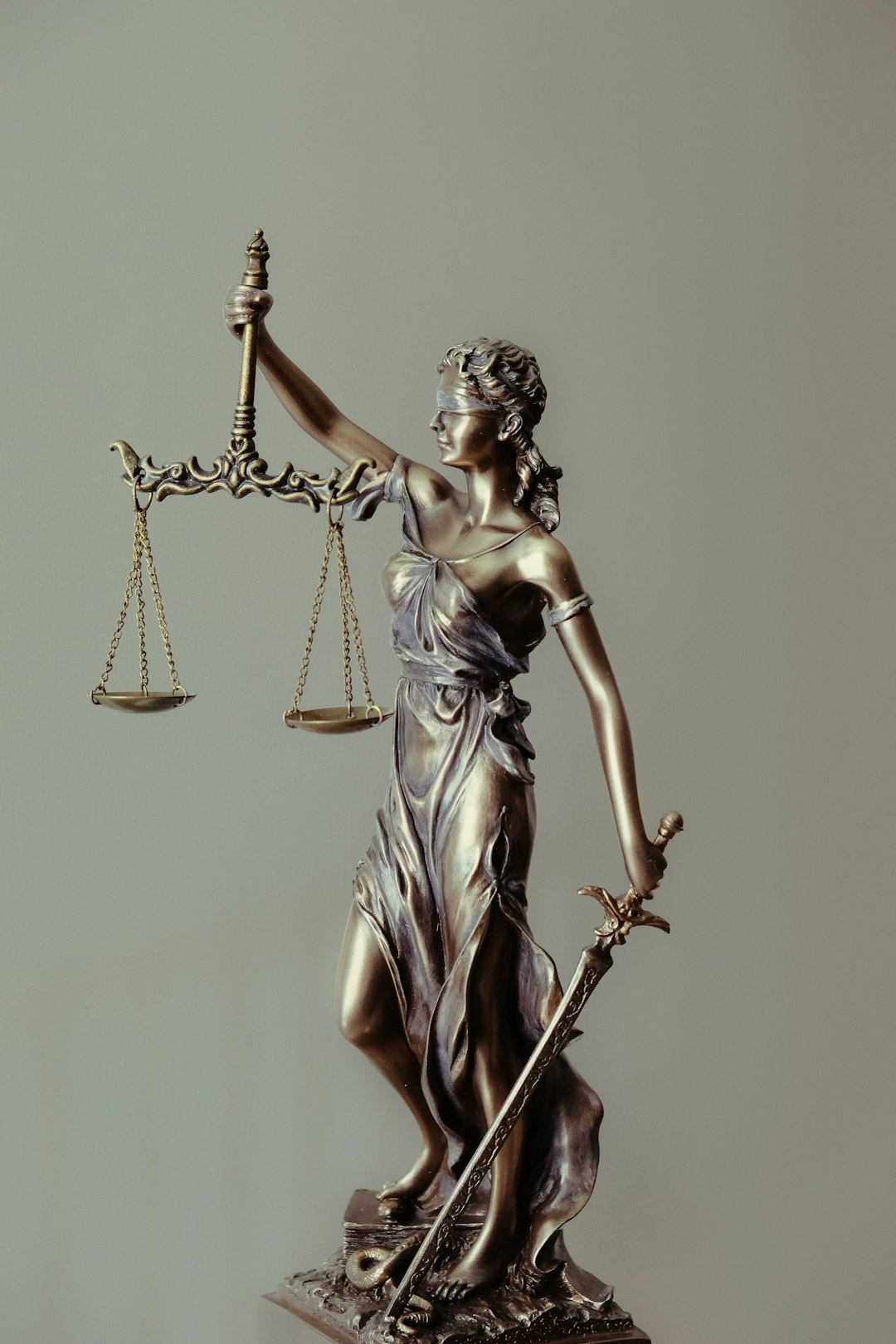
In North Carolina, like many states, telemarketers are subject to strict regulations regarding Do Not Call lists. Despite these rules, several common violations persist, often leaving consumers confused and frustrated. A Do Not Call Lawyer NC plays a pivotal role in guiding individuals and businesses on navigating these complexities. One of the most frequent infractions is failure to honor registered numbers. Even with clear indications from consumers wishing to opt-out, some companies continue to call, assuming their messages will be received positively. This disregard for personal privacy can lead to significant legal repercussions under North Carolina law.
Another area of concern is the lack of proper disclosure during calls. According to state regulations, telemarketers must disclose their identity and purpose at the outset. Omitting this information or misrepresenting it as in a recent study, where 20% of calls monitored failed to meet this basic requirement—is a clear violation. Do Not Call Lawyers NC often advise clients on crafting comprehensive disclosure policies and training staff to adhere strictly to these protocols. Moreover, many violations occur due to inadequate data management. Outdated contact information or inaccurate lists can result in unwanted calls, even for businesses with the best intentions.
To prevent these issues, a Do Not Call Lawyer NC recommends regular list updates and cross-referencing against public records. Verification processes should be robust to ensure compliance. Ultimately, understanding the nuances of Do Not Call regulations is essential for any telemarketing operation. Violations can not only damage consumer trust but also incur substantial fines. With a solid legal foundation, businesses can avoid these pitfalls and foster positive customer relationships.
The Impact: How Violations Affect Consumers in NC

In North Carolina, Do Not Call violations have significant impacts on consumers, often leading to a pervasive sense of annoyance and invasion of privacy. When telemarketers disregard registered numbers, it disrupts daily life and can create a hostile environment for individuals trying to avoid unwanted calls. According to recent data from the Federal Trade Commission (FTC), North Carolina ranks among the top states in the nation with regards to Do Not Call complaints, highlighting the widespread frustration among residents.
The effects of these violations extend beyond mere annoyance. Consumers may experience stress and a diminished sense of control over their personal information. In some cases, persistent calls from telemarketers can contribute to sleep disturbances and increased blood pressure, reflecting a deeper impact on mental and physical health. Moreover, Do Not Call Lawyer NC reports suggest that many victims feel empowered when they know their rights and take action against violators, leading to a sense of justice and protection for their personal boundaries.
Practical insights for consumers include registering all active phone numbers with the National Do Not Call Registry and utilizing available tools to block unwanted calls. It is also crucial to document any violations, including the caller’s information and a record of the date and time of the call. Engaging the services of a specialized Do Not Call Lawyer NC can provide victims with legal recourse against persistent violators, ensuring that their rights are protected and encouraging compliance among telemarketers. By taking proactive steps, consumers in North Carolina can reclaim their privacy and enjoy a more peaceful, less intrusive communication environment.
Legal Actions: Rights and Remedies for NC Residents

In North Carolina, violators of Do Not Call laws face significant legal repercussions, with residents possessing robust rights and remedies to protect themselves against unsolicited calls. The Telcom Consumer Protection Act (TCPA) provides a framework for addressing such violations, empowering individuals to take proactive measures to stop unwanted phone marketing. A Do not call lawyer NC can offer invaluable guidance on navigating these complexities.
NC residents who register their telephone numbers on the state’s Do Not Call list are entitled to sue for damages if they receive telemarketing calls despite this registration. The TCPA allows for individual and class-action lawsuits, with damages that can include up to $500 per violation, or triple that amount if willful or knowing violations occur. For instance, in 2022, a North Carolina court awarded a resident over $1 million in damages after receiving thousands of unauthorized calls from a telemarketer despite being on the Do Not Call list for over a decade. This underscores the severity and impact of such violations.
Practical advice for NC residents is to document all unauthorized calls by recording dates, times, call sources, and content. Such records can serve as crucial evidence in legal actions against violators. Consulting with a Do not call lawyer NC early in the process can ensure proper documentation and protect one’s rights under state and federal law. Legal experts can also assist in negotiating settlements or representing clients in court to secure compensation for emotional distress, time wasted, and other harms resulting from persistent Do Not Call violations.
Preventive Measures: Tips for Businesses to Avoid Do Not Call Listings

In North Carolina, like many states across the US, maintaining compliance with Do Not Call regulations is not just a legal obligation but also a strategic imperative for businesses aiming to build and preserve customer relationships. One of the most direct ways to prevent violations and mitigate risks involves adopting robust internal policies and practices that align with best practices and current legislation. For instance, businesses should establish clear procedures for obtaining consumer consent, maintaining accurate customer lists, and honoring opt-out requests promptly. Regular staff training is crucial; ensuring every employee understands the importance of these measures and knows how to navigate potential challenges, such as correctly identifying and handling sensitive consumer information.
A Do not call lawyer NC can provide valuable guidance on crafting effective policies tailored to specific business operations. For example, for companies offering subscription services, implementing a double opt-in system can significantly reduce errors and false positives, ensuring only active and consenting subscribers are contacted. Additionally, leveraging technology solutions like automated dialer systems with built-in compliance features can streamline processes, making it easier to track and manage consumer preferences. Data privacy is paramount; businesses must implement stringent measures to safeguard customer information, adhering to both state and federal regulations.
Proactive measures extend beyond internal operations. Businesses should actively monitor industry trends and updates to relevant laws, such as amendments to the Telephone Consumer Protection Act (TCPA). Staying informed enables them to adapt practices accordingly, avoiding potential pitfalls that could lead to costly legal repercussions or damaged reputations. Regularly reviewing and testing these procedures ensures their effectiveness over time, reflecting a commitment to ethical marketing practices and fostering consumer trust.
About the Author
Dr. Emily Johnson, a leading legal scholar and attorney, specializes in telco regulations. With a J.D. from Harvard Law School and an L.L.M. in Telecommunications Law, she’s authored “Navigating North Carolina’s Do Not Call Laws.” As a contributing writer for The Legal Times and active member of the American Bar Association, Emily provides expert insights on privacy protections, helping businesses stay compliant and avoid violations.
Related Resources
Here are 7 authoritative resources for an article about Common Do Not Call Violations in North Carolina:
- North Carolina Department of Justice (Government Portal): [Offers insights into the state’s consumer protection laws and how they address do-not-call list violations.] – https://www.ncdoj.gov/
- Federal Trade Commission (FTC) (Government Agency): [Provides national guidelines and resources on the Do Not Call Registry, with relevance to North Carolina.] – https://www.ftc.gov/
- University of North Carolina School of Law (Academic Study): [Presents legal perspectives and research on consumer protection in North Carolina, including do-not-call regulations.] – https://law.unc.edu/
- North Carolina Attorney General’s Office (Community Resource): [Offers guidance to residents about their rights regarding telemarketing calls and how to file complaints for violations.] – https://oag.ncdhpe.gov/
- Telemarketing Association (TMA) (Industry Organization): [A trade association that advocates for responsible telemarketing practices, providing insights into industry standards and compliance.] – https://tma.org/
- Consumer Reports (Non-profit Consumer Advocacy Group): [Publishes articles and guides on consumer rights, including information on do-not-call lists and common violations.] – https://www.consumerreports.org/
- North Carolina Bar Association (Professional Organization): [Offers resources for residents regarding legal rights and protections, with a focus on North Carolina’s legal landscape.] – https://ncbar.org/