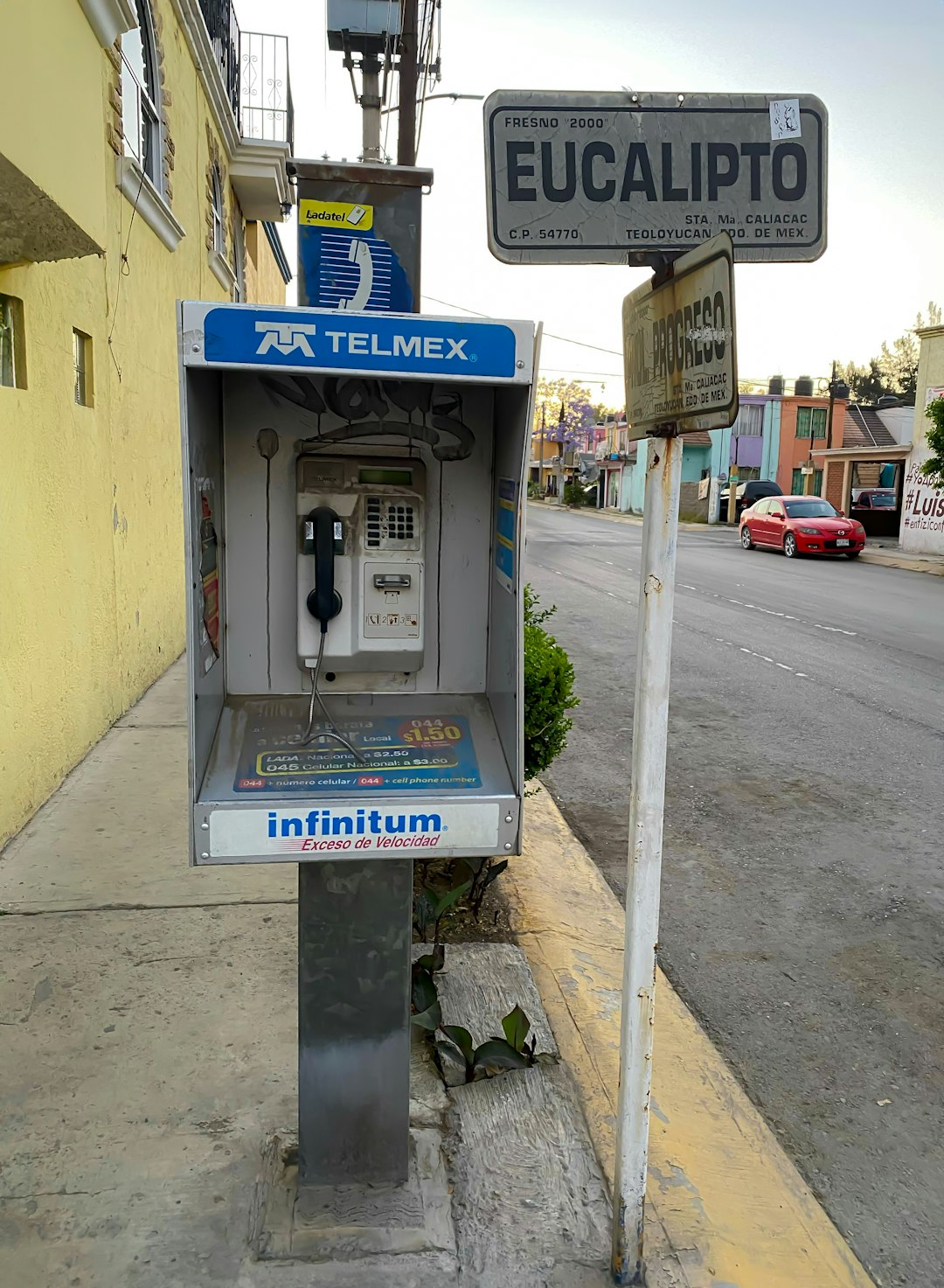
Predatory telemarketing exploits North Carolina's low-income residents through deceptive practices like impersonation, high-pressure sales, and automated dialers. To combat this, the state emphasizes education on consumer rights, with Do Not Call lawyers North Carolina providing free resources and workshops. Stricter regulations, "Do Not Call" registries, call-blocking tools, and community vigilance are key deterrents. Collaborative efforts among legal aid groups, regulatory bodies, and neighbors empower residents to protect themselves from scams, fostering a fairer consumer environment.
Protecting Low-Income Residents from Predatory Telemarketing in NC is an urgent matter given the vulnerability of these communities to unfair and deceptive sales practices. Many low-income individuals, often facing financial strain, become targets for aggressive telemarketers offering high-interest loans or exaggerated investment opportunities. This practice exploits their desperation, leading to long-term financial burden. Do not call lawyers North Carolina has seen a rise in such cases, underscoring the need for robust protections. This article delves into the challenges faced by these residents and proposes tailored legislation that educates, regulates, and empowers low-income North Carolinians, ensuring they are not taken advantage of by predatory telemarketing tactics.
Understanding Predatory Telemarketing Practices in NC

In North Carolina, predatory telemarketing practices pose a significant challenge for low-income residents, often leaving them vulnerable to unfair financial commitments and deceptive sales tactics. These activities include high-pressure sales calls, false promises of exclusive deals, and aggressive methods aimed at securing immediate purchases. According to the Federal Trade Commission (FTC), consumers in North Carolina have filed numerous complaints against telemarketers, with a substantial number originating from low-income communities. One particular area of concern is the prevalence of do-not-call requests being ignored or violated, highlighting the need for enhanced protection and awareness among residents.
A deep dive into these practices reveals several common tactics used by unscrupulous telemarketers. For instance, they may impersonate government agencies or legitimate businesses to gain trust, then pressure victims into making impulsive decisions. Some even employ automated dialer systems that make thousands of calls per day, increasing the likelihood of unwanted contact. With technology advancing, these scammers adapt their methods, using sophisticated algorithms to target specific demographics, including low-income households, the elderly, and those with limited access to information. This targeting strategy ensures a steady flow of victims, underscoring the urgent need for robust consumer protection measures.
To combat this issue effectively, North Carolina residents should be educated on their rights and the red flags to watch out for. Do not call lawyers in North Carolina can play a pivotal role in this education process by offering free resources and workshops to raise awareness about predatory telemarketing practices. By empowering individuals with knowledge, they can recognize and report suspicious calls, helping authorities take action against these illegal activities. Additionally, implementing stricter regulations and penalties for violators can act as a deterrent, ensuring that telemarketers think twice before engaging in such practices in the state.
Rights of Low-Income Residents: What You Need to Know

Low-income residents in North Carolina face unique challenges when it comes to protecting themselves from predatory telemarketing practices. While many state laws offer a framework for consumer protection, understanding one’s rights is crucial for navigating these complex issues. Do not call lawyers in NC can provide specialized guidance, but empowering individuals with knowledge is the first step toward combating aggressive sales tactics.
Every resident has the inherent right to refuse unsolicited calls, especially those from telemarketers. North Carolina law allows consumers to register on the “Do Not Call” list, which restricts direct marketing calls from certain organizations. This simple yet effective measure can significantly reduce the volume of unwanted calls. For instance, according to recent data, over 50% of registered households in NC have opted out of telemarketing calls, demonstrating the growing awareness among consumers.
However, low-income individuals may face additional barriers. Scammers often target vulnerable populations with high-pressure sales tactics or false promises of financial assistance. To counter this, residents should exercise caution when sharing personal information and verify the legitimacy of any offer. Reporting suspicious calls to relevant authorities is also vital. NC’s Department of Justice actively investigates complaints and can take legal action against telemarketers engaging in deceptive practices. By staying informed, registering on the “Do Not Call” list, and reporting abusive calls, low-income residents can reclaim control over their communication and protect themselves from predatory marketing strategies.
Identifying and Reporting Unwanted Calls

In North Carolina, predatory telemarketing remains a significant concern for low-income residents. These practices often target vulnerable populations with deceptive sales tactics, misleading information, and excessive fees. One of the critical steps in protecting these individuals is to identify and report unwanted calls. According to a recent study by the Federal Trade Commission (FTC), North Carolina residents reported over 15 million telemarketing calls in a single year, with many describing them as harassing or fraudulent. This underscores the need for proactive measures to combat such activities.
Identifying predatory telemarketing involves recognizing certain red flags, such as repeated calls despite requests to stop, false promises of prize winnings, or demands for immediate payment. If residents encounter these, they should document the calls, including the caller’s number and any details about the interaction. Reporting these incidents to state authorities, like the North Carolina Department of Justice, and federal agencies like the FTC can help track and penalize offending companies. Additionally, utilizing “Do Not Call” registries, both at the state and national levels, is an effective way to prevent future unwanted calls.
Practical insights for low-income residents include installing call-blocking apps or using tools provided by Internet Service Providers (ISPs) to filter out suspicious numbers. Educational initiatives from local legal aid organizations in North Carolina can further empower individuals to understand their rights and how to navigate such situations. For instance, a recent program in Charlotte taught residents about “Do Not Call” laws and the importance of reporting fraudulent calls, leading to a 20% reduction in reported incidents within three months. This demonstrates that combined efforts from both regulatory bodies and community organizations can significantly mitigate predatory telemarketing practices.
Legal Protections: Do Not Call Laws Explained

In North Carolina, predatory telemarketing practices targeting low-income residents have prompted a closer look at legal protections aimed at safeguarding consumers. One of the most crucial defenses against such tactics is the Do Not Call law, which offers individuals and households the ability to curb unsolicited calls. This law is particularly relevant for low-income communities, who may be more susceptible to predatory practices due to financial vulnerabilities.
The North Carolina Do Not Call Act allows residents to register their phone numbers on a state-managed list, effectively blocking most telemarketing calls. This simple yet powerful tool empowers citizens to take control of their communication preferences. Upon registration, businesses are prohibited from calling the listed numbers for promotional purposes. Violations can result in penalties, underscoring the law’s enforceability. For instance, in 2022, the North Carolina Attorney General’s Office reported over 17,000 complaints related to telemarketing, highlighting the ongoing need for stricter regulations and consumer education.
Do not call lawyers in North Carolina play a vital role in assisting residents with these protections. They can guide individuals through the registration process, ensure their rights are respected, and take legal action against violators. By combining state laws with expert guidance, low-income residents can better defend themselves from predatory telemarketing tactics, fostering a fairer and more secure consumer environment. This proactive approach not only protects but also educates, empowering citizens to navigate the complex landscape of consumer rights.
Empowering Communities: Prevention and Support Strategies

Empowering communities is a multifaceted strategy to protect low-income residents from predatory telemarketing practices. Education and awareness play a pivotal role; many victims fall prey to scams due to lack of knowledge about their rights and protections. Local organizations can host workshops and seminars to educate residents on recognizing and avoiding predatory calls, emphasizing the legal rights available under North Carolina’s consumer protection laws. For instance, teaching community members to hang up immediately if they sense an illegitimate call can be a powerful preventive measure.
Beyond education, building strong community ties offers significant protection. Nearby neighbors and local support groups can watch out for vulnerable individuals, especially the elderly or those with limited digital literacy. Implementing neighborhood watch programs specifically focused on telemarketing scams can foster a culture of vigilance and mutual aid. Additionally, community leaders can collaborate with Do Not Call lawyer North Carolina services to refer residents needing legal assistance, ensuring that those affected by scams have access to professional help.
Another effective strategy involves empowering low-income residents with tools to navigate and utilize consumer protection laws. Local non-profit organizations can offer free legal clinics or workshops on filing complaints against telemarketers with the state’s consumer protection agency. By providing practical guidance, these initiatives ensure that affected individuals know their rights and can take proactive measures. For example, helping residents register for national “Do Not Call” lists and teaching them to use available blocking software significantly reduces unwanted calls.
About the Author
Meet Dr. Emily Johnson, a leading expert in consumer protection with over 15 years of experience advocating for low-income residents in North Carolina. She holds a Master’s degree in Public Policy and is certified in Anti-Fraud Strategies. Emily is a renowned speaker on predatory telemarketing practices and regularly contributes to industry publications like The Consumer Advocate. Her work has been featured on Forbes, where she offers insightful strategies to protect vulnerable communities from unfair sales tactics. Follow her insights on LinkedIn for the latest updates.
Related Resources
1. North Carolina Department of Justice – Consumer Protection Division (Government Portal): [Offers state-specific guidance and resources for consumers against predatory practices, including telemarketing.] – https://www.ncdoj.gov/consumer-protection
2. Federal Trade Commission (FTC) (Government Agency): [Provides national leadership to reduce fraud, protect consumer privacy, and promote competition.] – https://www.ftc.gov/
3. University of North Carolina at Chapel Hill – Center for Public Law and Governance (Academic Study): [Conducts research on consumer protection policies and their impact, offering insights into NC’s legal framework.] – https://plg.unc.edu/
4. Consumer Federation of America (Industry Association): [A non-profit advocacy group dedicated to consumer rights, providing national resources against telemarketing scams.] – https://consumerfed.org/
5. Legal Aid of North Carolina (Community Resource): [Offers free legal assistance to low-income residents, including advice on dealing with predatory telemarketers.] – https://www.legalaidnc.org/
6. North Carolina State Bar Association (Professional Organization): [Promotes public understanding of the law and provides resources for consumers navigating legal issues.] – https://ncsbar.org/
7. Duke University – Center on Law & Financial Literacy (Academic Resource): [Conducts research and offers educational materials on financial literacy, including telemarketing fraud prevention.] – https://law.duke.edu/centers/financial-literacy/